AI-translated. Read the original in KoreanEmbedded slides, videos and images remain in their original language.
Third Place in AWS GameDay Microservice Magic: Meet Buzzvil Team A


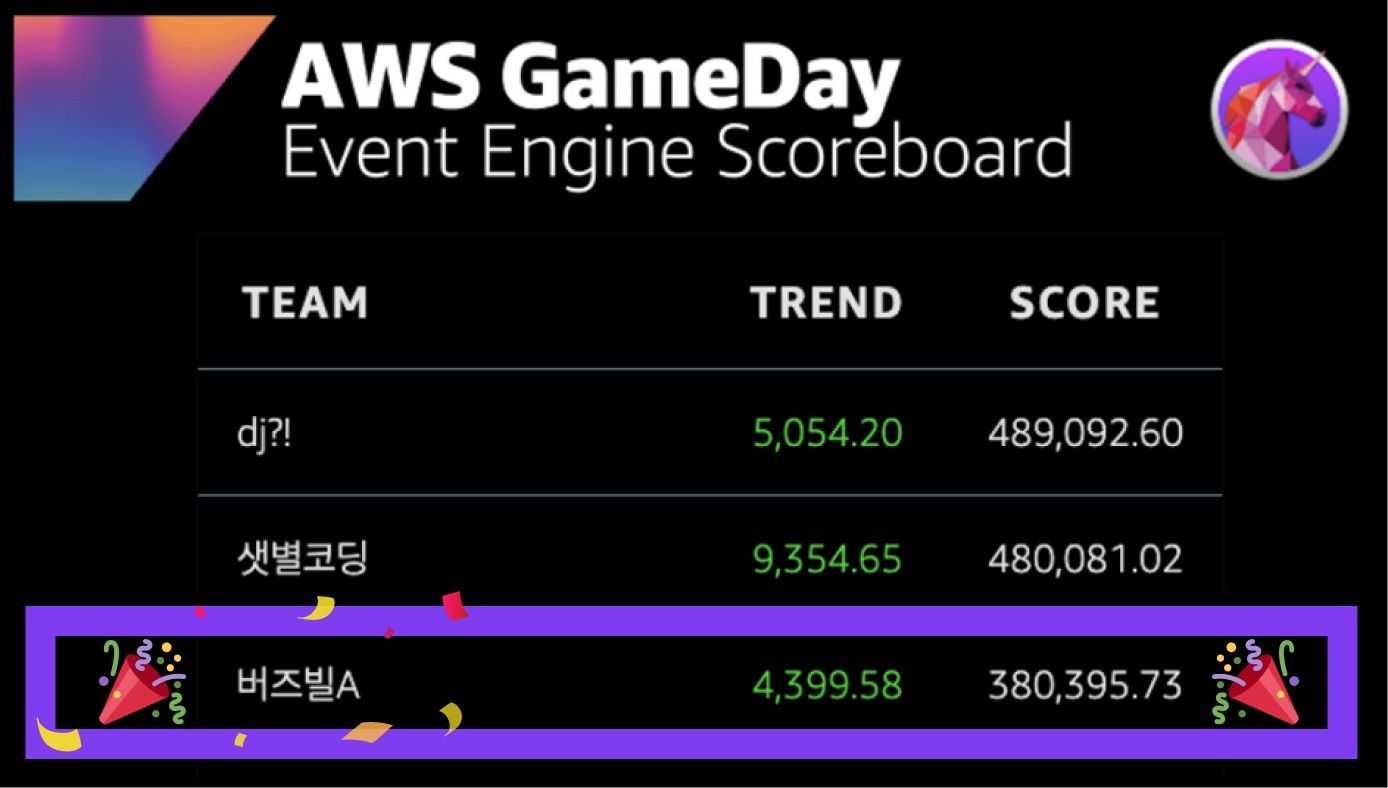
Hello! We're Diane and Jacob from the Buzzvil Culture Committee. Buzzvil recently took part in AWS GameDay and achieved third place in Microservice Magic—a great demonstration of our engineering team's skills. We interviewed the five participants, Liam, Noah, Aiden, Claud, and Isac, to hear their experiences. If you are curious about GameDay, enjoy!
Q: Could you briefly introduce this AWS GameDay?
Liam — Incident response is a matter of minutes and seconds. Mistakes or delays affect revenue, customer relationships, or both. Nothing builds response experience like dealing with a real incident, but we cannot cause outages just for training.
GameDay creates a simulated environment resembling production and deliberately injects failures so that teams can practice responding. This AWS GameDay added competition between teams: we became employees of a fictional company, working to improve a monolithic operating environment into a microservices architecture.
Q: How did you end up participating?
Aiden — I had no DevOps experience before joining Buzzvil. After about a year on the DevOps team, GameDay felt like a chance to assess my abilities.
Isac — I heard about it while participating in Buzzvil's DevOps Edge program. At first, I thought it would be difficult because I did not know much DevOps. But I was told I could join without pressure, so I gave it a try.
Noah — I knew that companies making good use of the cloud often run incident-response simulations. That is difficult for a small company to arrange itself, so I wanted to try the well-prepared environment AWS offered. GameDay had not been around long, and it was everyone's first time.
Q: What roles did each of you take?
Aiden — There happened to be three microservices, so Claud, Isac, and I each took one. Noah shared game information and guidance with the team, and Liam handled the API gateway routing requests to the services.
Q: How did the GameDay scenario compare with Buzzvil's own microservices evolution?
Isac — There were no code changes in GameDay; we mainly fixed infrastructure bugs. Unlike our work, we did not approach problems at the code level. Some failures were so unusual and implausible that they were surprising—I had never seen anything like them. At Buzzvil, we manage infrastructure as code and get reviews, making those failures less likely. That was a difference, and the event helped me learn how to respond.
Noah — One similarity was moving to microservices to handle growing traffic better. We also assigned an owner to each service during the game, just as Buzzvil does. A lot of the game felt grounded in reality.
Claud — Another similarity was that individual microservices became easier to manage, but overall operating cost and complexity increased and needed attention. The biggest difference was being able to use another team's service based only on its metrics, without knowing how it was implemented. That was interesting.
Q: What strategy or capability helped Buzzvil perform so well?
Isac — First, I think it helped that we already use AWS extensively.
Aiden — Everyone was familiar with the AWS console, so we could quickly handle even products we had not used before. There was also a knack to the game itself. A previous winning team included experienced participants, which probably helped them adapt quickly. We started getting the hang of it around halfway through. In particular, using CloudTrail actively in the latter half to inspect logs helped us raise our score.
Noah — Early on, I was sometimes so confused that I did not know what to do. Alone, I might have given up. But seeing someone beside me keep searching for the cause encouraged me to persist. That felt very true to real work.
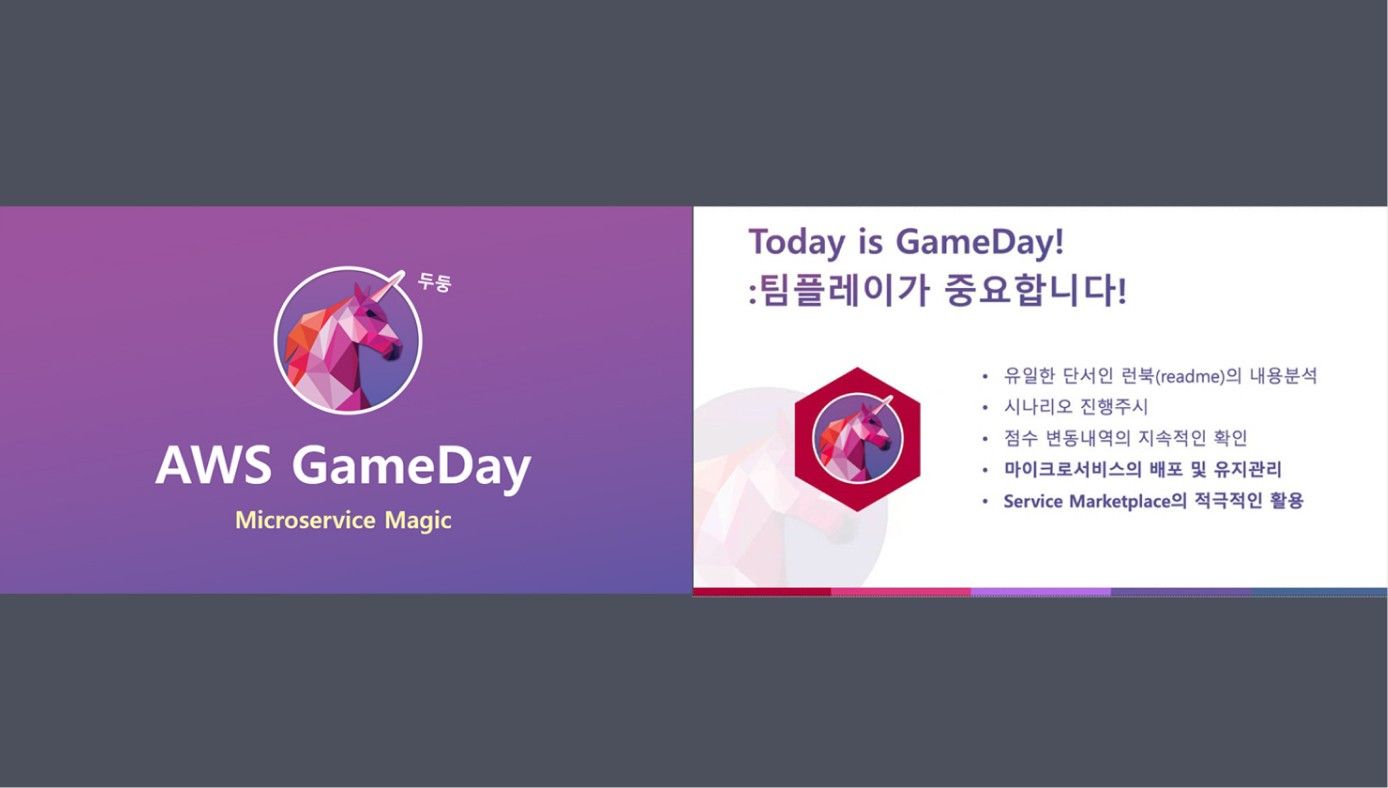
Liam — Dividing roles early—microservices, marketplace monitoring, API gateway response, and so on—let us read each component's README and anticipate or quickly detect and address possible problems.
Q: How did your day-to-day work help? Were services you use at Buzzvil useful in GameDay too?
Noah — We already use Auto Scaling Groups and load balancers, so configuring them was easy. Lambda was familiar too. ECS, which Isac handled, and Elastic Beanstalk, which Claud handled, were more difficult initially because we rarely use them at Buzzvil. I suspect AWS wanted us to encounter a variety of services.
Liam — In an environment with many AWS console users, security settings can change or someone can accidentally delete a resource, causing an unexpected incident. Those things happen in real life too. CloudTrail records events in the AWS account, showing who changed which resource and when, so it was often key to solving GameDay incidents. At Buzzvil, it is also the first place we look when a DNS record suddenly changes or a resource disappears.
Q: What did you learn or feel particularly strongly during the event?
Claud — It drove home how important audit logs are for unexpected incidents.
Aiden — Some scenarios suddenly changed infrastructure settings without warning, and I struggled to identify the changes because the products were unfamiliar. As an infrastructure engineer, I felt that if we continue operating on AWS, I need to keep studying its services.
Isac — I keep learning through DevOps Edge, but as an application developer there are limits to what I know. Some of it still feels like a black box, yet I gained a better sense of what DevOps handles. In particular, I realized how much happens behind the code.
Noah — I thought it would be great to have an internal GameDay too. That kind of culture could be a lot of fun for engineers.
Q: What moment was most memorable?
Aiden — With about five minutes left, the gap between third and fourth place was small. It was too late to make further improvements, so we left it to fate, watched the scoreboard, and collectively prayed. Finishing in the top places made it fun and memorable. It felt like a hackathon.
Noah — I enjoyed sitting together at a table, eating the snacks AWS sent, and concentrating on the work. It felt like the startup scene people imagine—something out of The Social Network, perhaps. There was a little of that romantic ideal of engineering.
Isac — I remember watching the scoreboard and saying, “Please, nothing break.” I was so focused I barely ate the snacks. Another memorable moment was feeling helpless midway through, when we could not even identify what the problem was, let alone solve it.
Aiden — There was an incident that other teams struggled with, but we handled it well and our score rose enough to put us among the leaders. I also remember Liam's determination to keep investigating when we could not locate a problem.
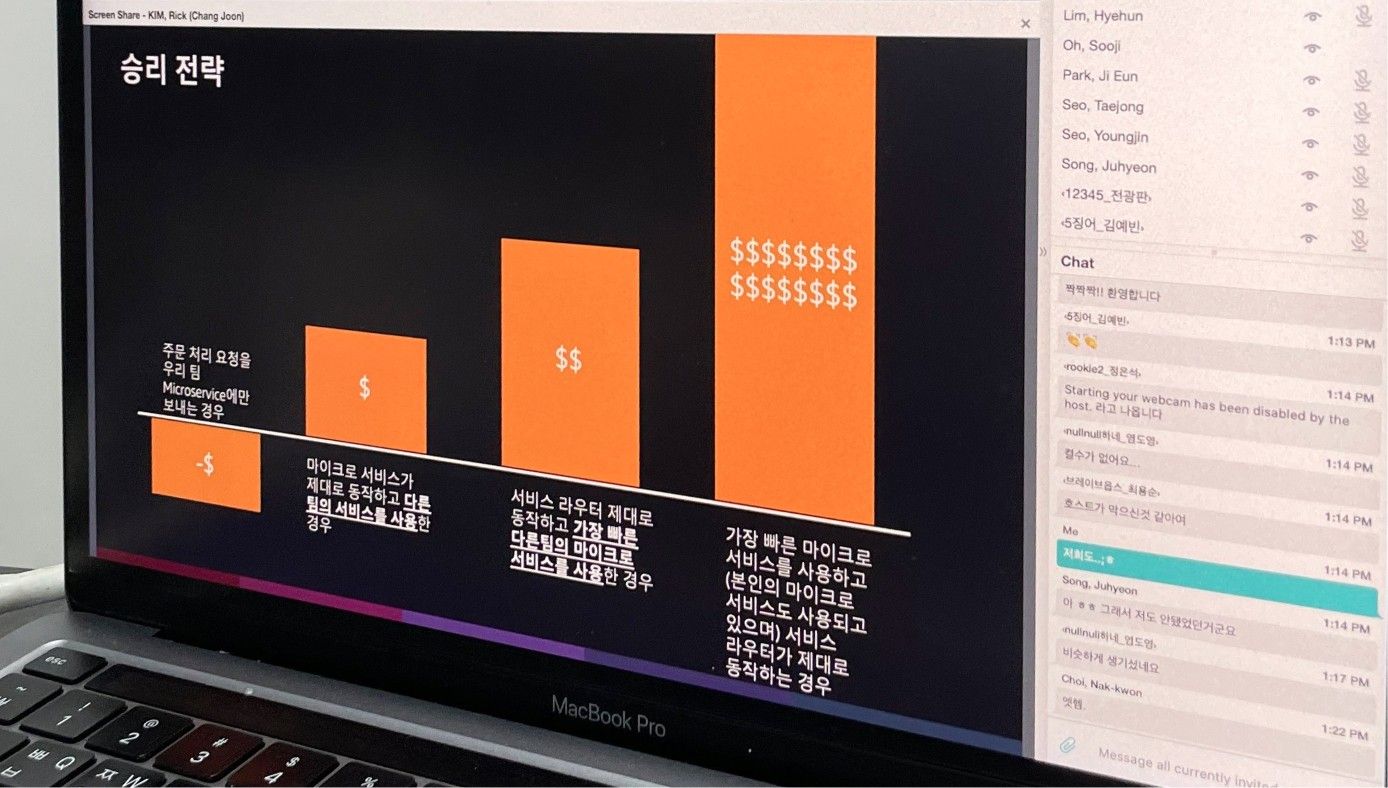
Claud — Aiden quickly noticed that an API used by one service would be updated to v2, with a changed specification, that day. We applied the change faster than other teams and earned a lot of points.
Q: Claud and Isac, you did well despite not being on the DevOps team. How do you develop your AWS and infrastructure skills?
Isac — I do not study AWS intensely, but I always look into new features the company adopts. I am interested in infrastructure, so I read about Kubernetes and the cloud. I also bought a Raspberry Pi and am building a hobby Kubernetes cluster, learning things like how best to deploy it along the way.
Claud — The foundational knowledge from studying for an AWS certification years ago still helps. These days, I mainly keep up with services I use at work. Infrastructure and cloud are personal interests, so I use my own Kubernetes cluster as a playground. I also browse CNCF projects and subscribe to related blogs and YouTube channels.
Q: Any advice for Buzzvilians or other engineers considering a future GameDay?
Aiden — There is no mandatory preparation or prerequisite skill, so come ready to enjoy it without pressure. It feels like a game for everyone, not only AWS experts.
Isac — I joined without prior expertise too. You learn when you are thrown into it!
Noah — Studying beforehand probably helps you get more out of it. But the entry level is low enough for anyone to participate. Knowing the basics of your assigned service gives you a foundation to apply and extend, making it a valuable experience.
Claud — If there are unfamiliar AWS products, a quick look beforehand will help. This time, they included ECS and Elastic Beanstalk.
Liam — Early on, problems did not seem to occur all at once. Taking that time to understand each service in detail will definitely help later. A README is called a README for a reason.
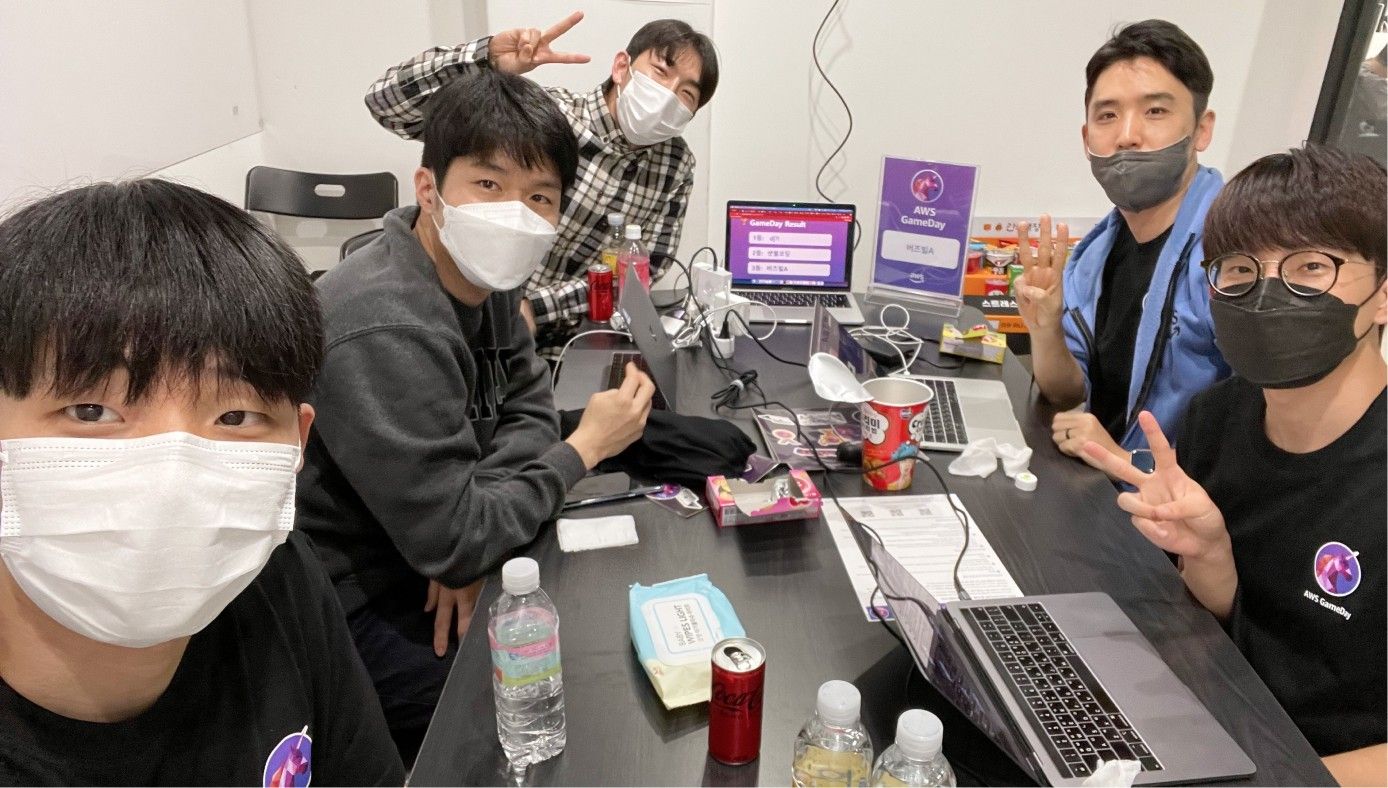
That was our conversation with the Buzzvil engineers who joined AWS GameDay. As interviewers, we were impressed that they placed third on their first attempt and used real skills to respond to simulated incidents. They all seemed to enjoy it like a hackathon, making us want to participate ourselves someday.
Buzzvil actively supports engineers in developing expertise and growing in their own fields. If you would like to grow with us, please apply through the links below. Thank you!
Apply for an engineering role at Buzzvil
Have a coffee chat with a Buzzvil tech recruiter
Explore more on the Buzzvil Tech Blog!
A Junior Engineer Meets Clean Architecture