AI-translated. Read the original in KoreanEmbedded slides, videos and images remain in their original language.
How Junior Engineers Grow at Buzzvil

Software Engineer
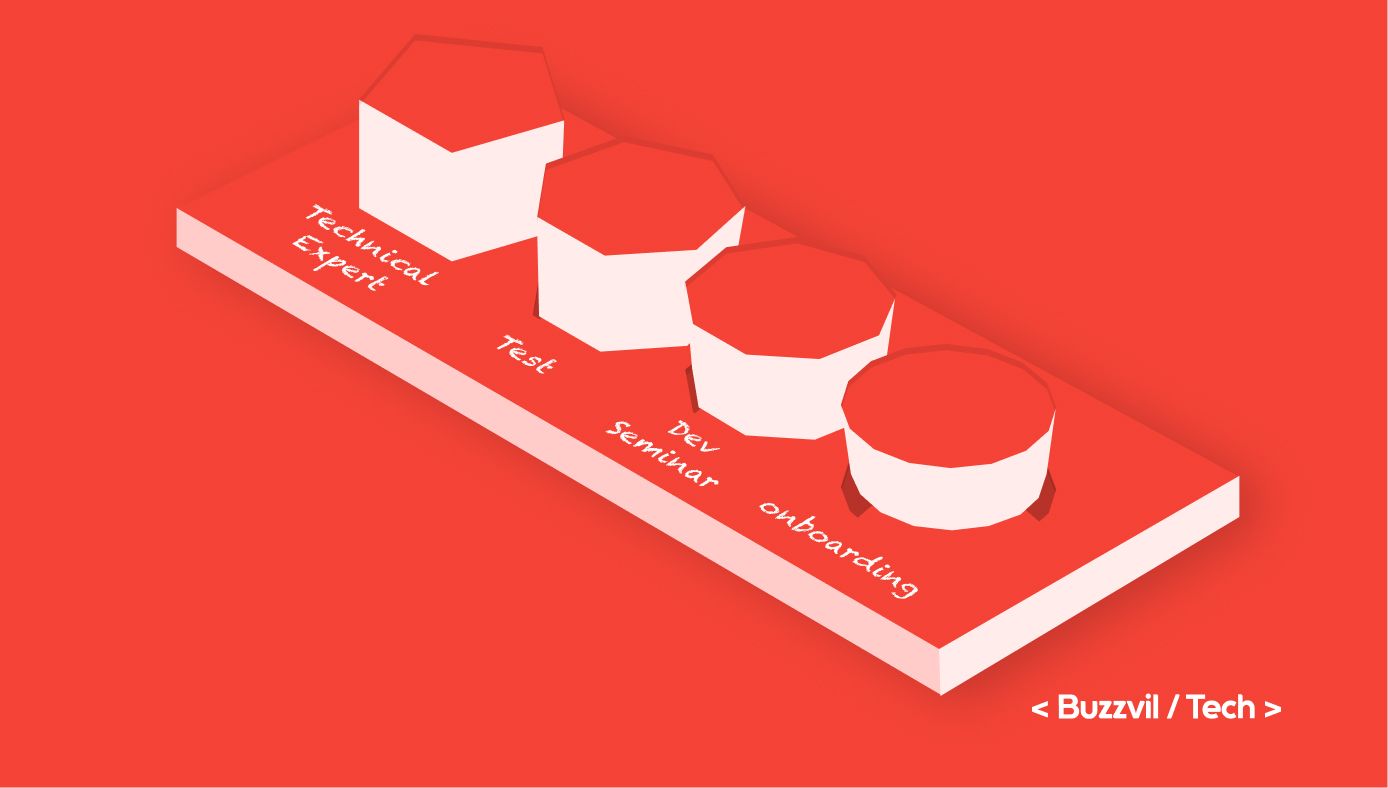
Hi, I’m Claud from Buzzvil’s Ad Display team.
If you’re a junior developer just starting your career, you probably spend a lot of time thinking about how to grow as an engineer. Watching a developer who recently joined our team make rapid progress inspired me to share how new engineers grow at Buzzvil.
Onboarding: getting started
New engineers take part in an onboarding program to become familiar with Buzzvil’s software architecture and technology stack. Fellow engineers or onboarding mentors run sessions introducing the overall structure, and we provide a selection of essential books for independent study.
These books teach the principles and foundations for building software that meets business needs quickly while remaining maintainable, scalable, and reliable.
| Book | Author |
|---|---|
| Clean Architecture: A Craftsman's Guide to Software Structure and Design | Robert C. Martin |
| Domain-driven design | Eric Evans |
| Designing Data-Intensive Applications: The Big Ideas Behind Reliable, Scalable, and Maintainable Systems | Martin Kleppmann |
With that foundation in place, engineers prioritize the technologies they need to learn based on their team’s projects and our internal developer skills roadmap.
Development assignments: from design to deployment
Buzzvil engineers work on a variety of projects owned by their teams. Our systems use a microservices architecture, so new business requirements often involve contributing to several different services.
We make it a rule to write a design document whenever we develop a microservice. When a new engineer joins an existing service, that document helps them understand its purpose and responsibilities. It also records architectural considerations and the reasoning behind engineering decisions. This gives new engineers access to their colleagues’ experience and a foundation for building their own engineering judgment.
When building a new microservice, the engineer takes ownership from design through implementation and deployment. The work goes beyond writing code: it provides the experience of thinking through a problem and finding a solution independently.
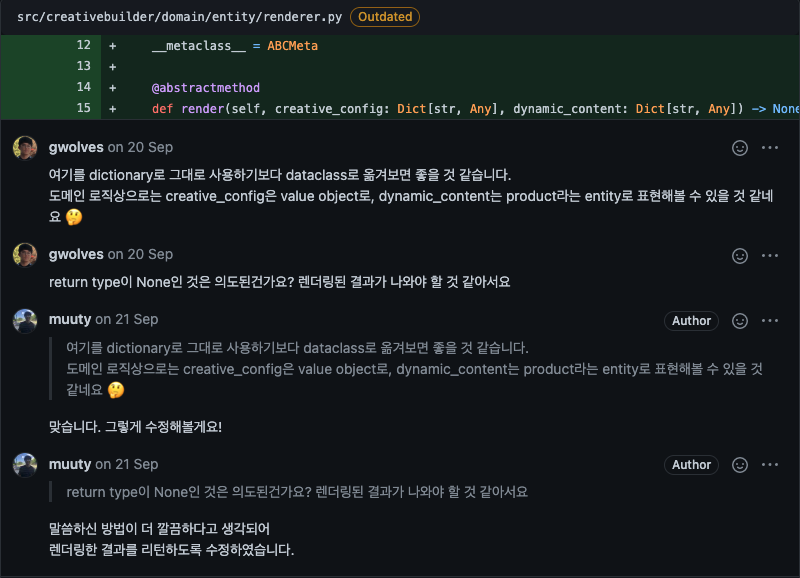
Every change goes through code review before it is incorporated. Through this process, new engineers naturally learn good coding practices and ways to write efficient code. Reviews from experienced colleagues also offer another opportunity to reflect on architecture and structure.
Engineering seminars: sharing experience
Once a week, Buzzvil engineers share topics that interest them and lessons from their work through engineering seminars. These sessions introduce new technologies and unfamiliar areas, and offer a window into the considerations and decisions behind colleagues’ solutions. Preparing a presentation also deepens the presenter’s understanding of the topic and encourages them to think about how to communicate it effectively.
Group activities: a path toward expertise
Groups of developers with shared interests are active throughout Buzzvil. New engineers can choose to join these groups and develop their skills alongside colleagues.
Many engineers participate in the Developer’s Edge program to acquire skills beyond their current roles. At the time of writing, the following Edge teams are active. They study shared interests, divide up related work, and pursue a range of other activities.
| Team | Areas of interest |
|---|---|
| DevOps Edge | SRE, Cloud Native |
| Data Engineering Edge | Data processing and analysis |
| Scalability Edge | High-volume traffic, scalability |
The Technical Expert program gives individuals ownership of technologies used at Buzzvil, helping us maintain expertise across the organization. Experts continually study their technology and run training to help colleagues improve their skills. The Python and Golang expert groups are particularly active, contributing best-practice guides, maintaining project templates, and more.
Closing thoughts
When I look back at code I wrote before, I often see things I wish I had done differently and feel I could do a better job now. Alongside reflecting on past shortcomings, there’s reassurance in realizing that I’m growing.
Growth in any field requires a sustained investment of time and a variety of experiences. Personally, I believe I grow fastest when I take the initiative to solve problems and share what I learned and experienced with colleagues. That’s why the people I work with matter so much to me. At Buzzvil, we’re looking for colleagues to grow alongside us.